Slow Travel in Greece: How to Actually Experience a Place
The case for staying longer, moving less, and letting Greece reveal itself at its own pace — and the islands and regions that reward this approach most.
There is a version of Greece that most visitors never see. Not because it is hidden, exactly, but because it requires something that modern travel culture rarely encourages: time.
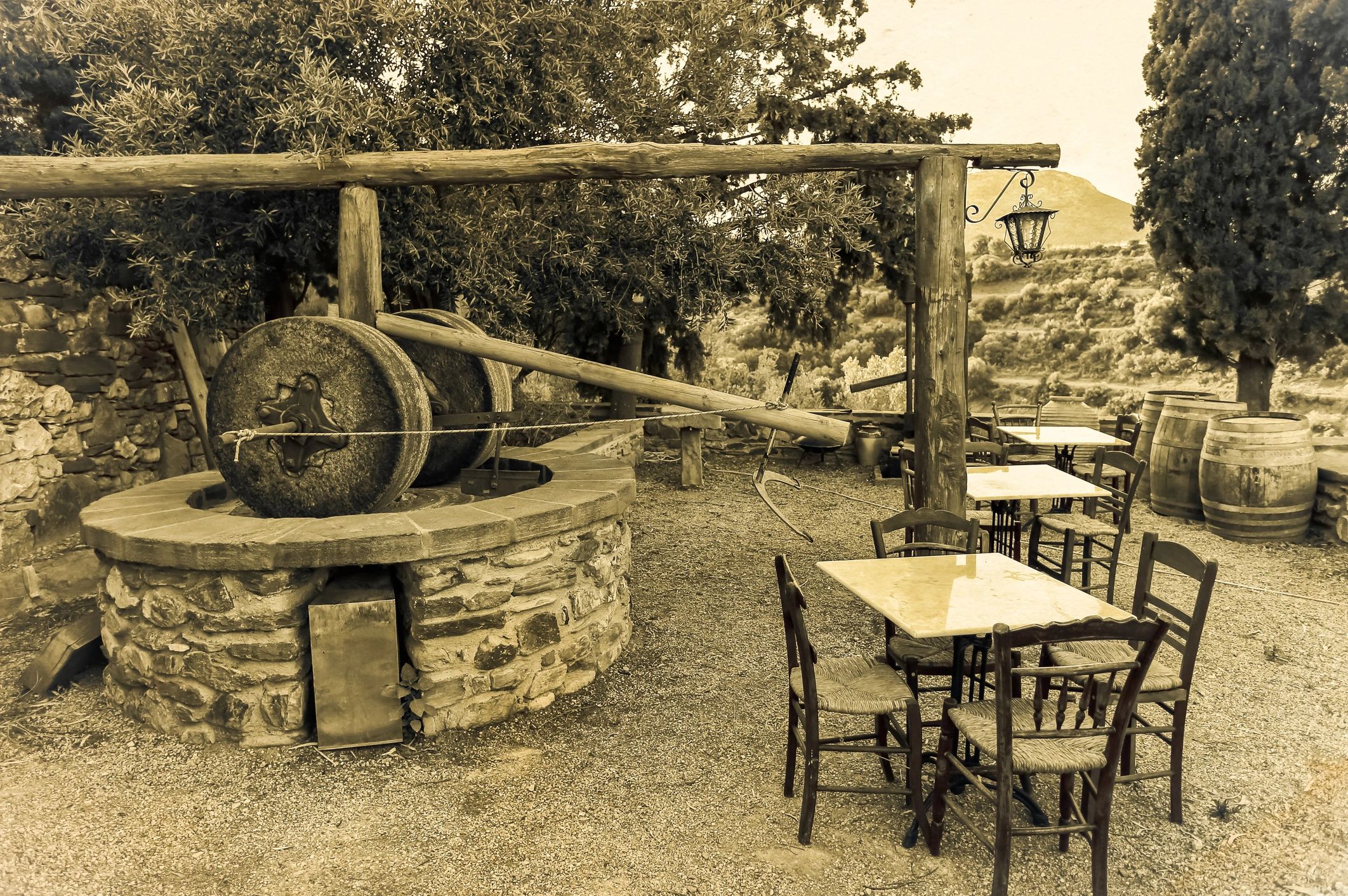
The Greece of the tourist trail — the Instagram sunsets, the crowded beaches, the two-night stops — is real enough. But it is a surface. Beneath it is something richer: the Greece of the village baker who has been making the same bread for 40 years, the fisherman who will take you out at dawn if you ask the right way, the monastery where the monks still keep Byzantine hours, the taverna that only opens when the owner feels like it.
This Greece is available to anyone. It just requires slowing down.
What Slow Travel Actually Means
Slow travel is not about travelling slowly. It is about staying long enough in one place to move from tourist to temporary resident. To have a favourite café. To know the name of the woman who runs the bakery. To understand the rhythm of the village — when the fishing boats come in, when the afternoon quiet falls, when the evening comes alive.
In practical terms, this usually means:
- Spending at least five nights in one place (ideally seven or more)
- Choosing accommodation that puts you in the heart of local life rather than a resort complex
- Resisting the urge to fill every day with activities
- Eating where locals eat, at the times locals eat
- Learning a few words of Greek and using them
The rewards are disproportionate to the effort.
The Places That Reward Slow Travel Most
The Small Cyclades
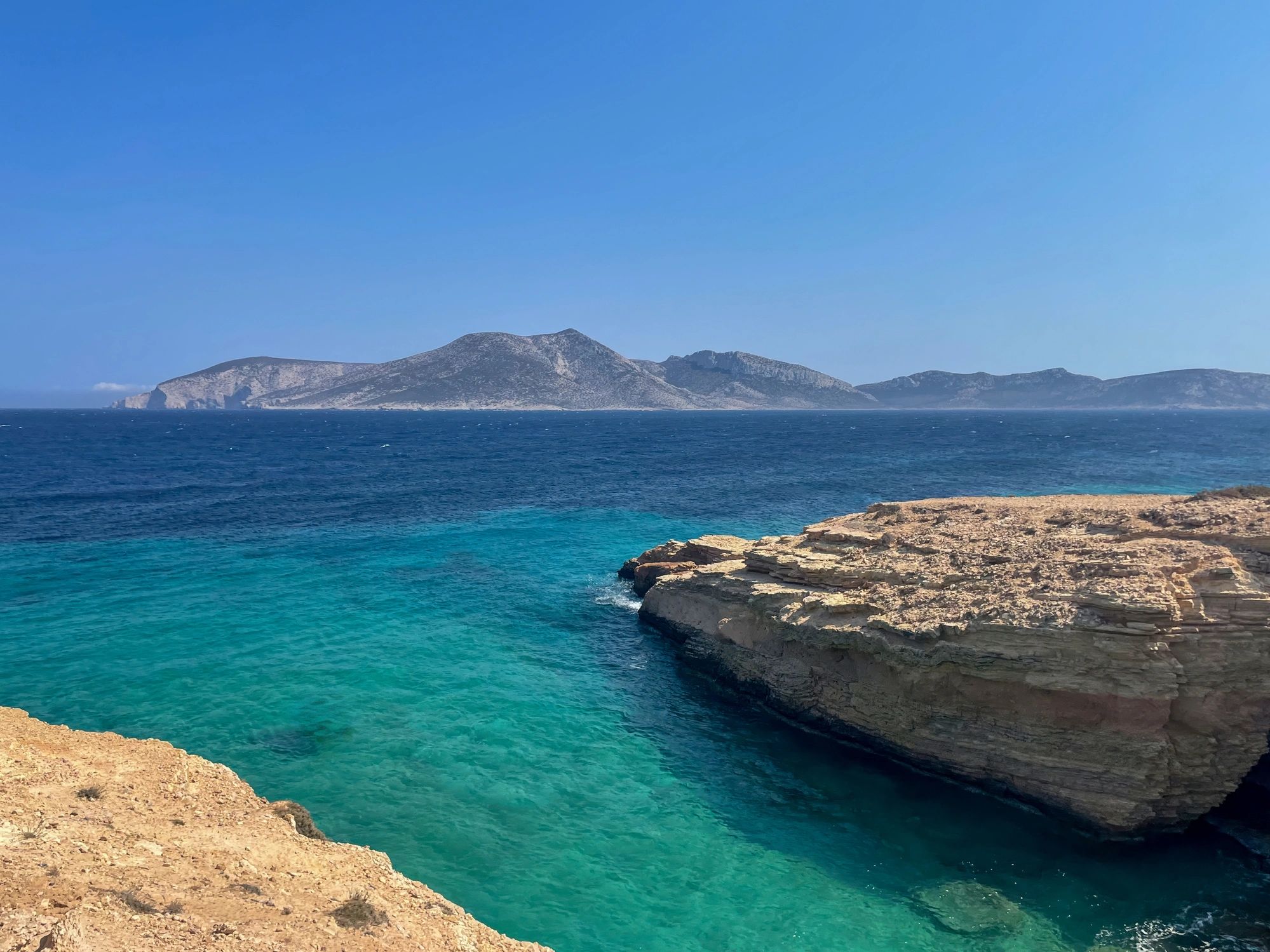
The cluster of tiny islands between Naxos and Amorgos — Iraklia, Schinoussa, Koufonisia, Donoussa — are among the most unspoiled places in the Aegean. Koufonisia in particular, with its turquoise coves and its single village, is the kind of place that makes you want to cancel your return flight. There are no cars, no large hotels, and a pace of life that feels genuinely unhurried.
Folegandros
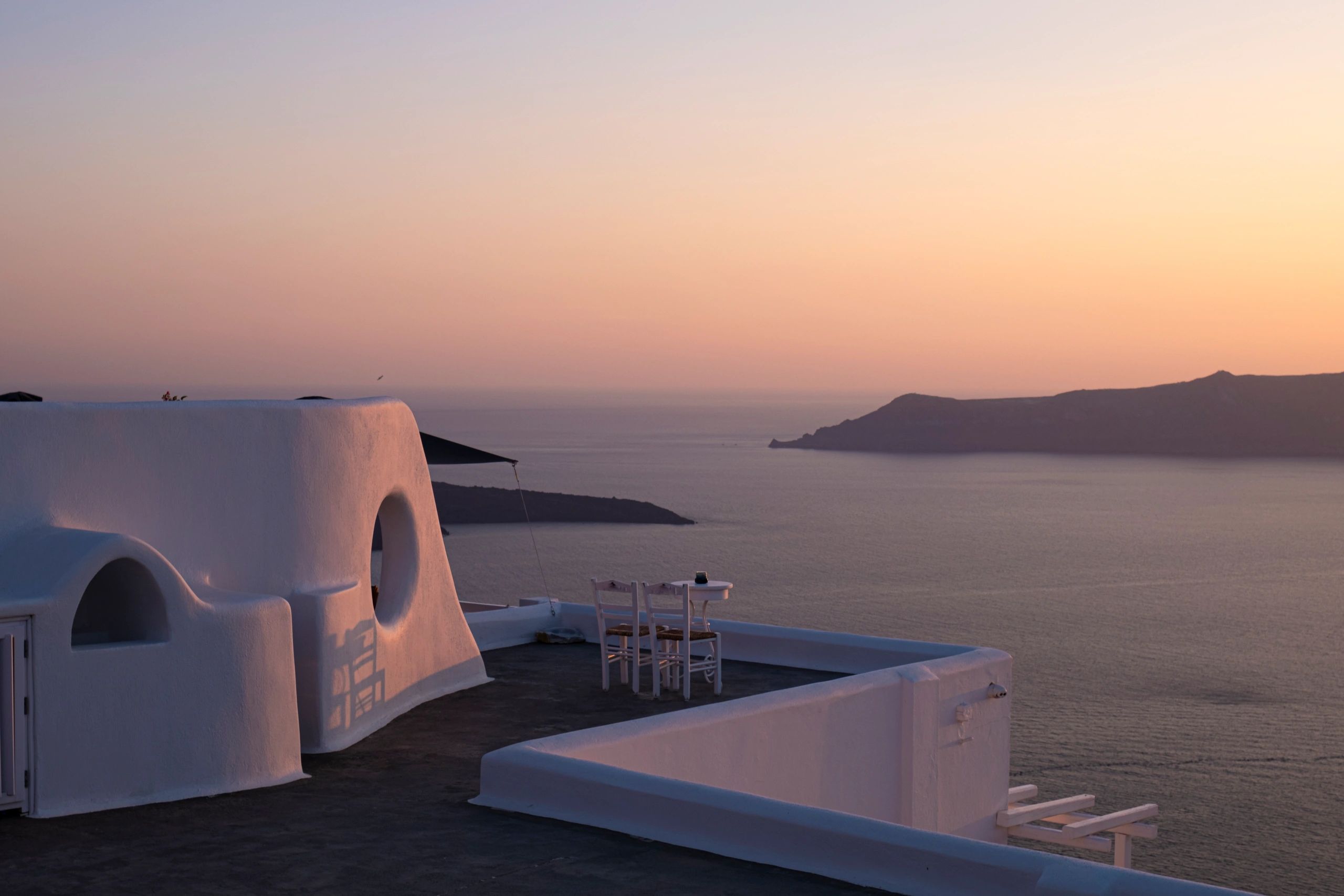
The clifftop chora of Folegandros sits 200 metres above the sea, its whitewashed houses clustered around a series of interconnected squares. There are no souvenir shops, no touts, and an atmosphere of authentic Greek island life that is increasingly rare. Stay for a week and you will understand why people come back year after year.
The Pelion Peninsula
On the Greek mainland, the Pelion Peninsula — a forested mountain range that curves into the Aegean — is one of the country's most beautiful and least-visited regions. Traditional stone villages, chestnut forests, and a coastline of extraordinary beaches. Hire a car and spend a week exploring at your own pace.
Ikaria
Ikaria is famous for something unusual: its residents live longer than almost anywhere else on earth. The island is one of the world's five "Blue Zones" — places where people regularly live past 100. The reasons are debated, but the lifestyle is clear: good food, regular movement, strong social bonds, and an almost complete indifference to schedules. Ikaria runs on its own time. Embrace it.
The Mani Peninsula
The southern finger of the Peloponnese, the Mani is one of Greece's most dramatic landscapes — a semi-arid peninsula of tower houses, Byzantine churches, and a coastline of extraordinary clarity. It is not easy to reach, which is precisely why it rewards those who make the effort. Stay in a converted tower house in a village with no tourist infrastructure and you will feel as though you have found the real Greece.
How to Slow Down in Practice
Choose your accommodation carefully. A villa in a village rather than a resort on a beach. A room above a family taverna rather than a hotel with a pool. The accommodation sets the tone for everything else.
Resist the day-trip trap. Day trips are fine, but they can fragment a stay into a series of rushed experiences. If somewhere is worth visiting, it is worth staying overnight. The place reveals itself differently when you are not watching the clock.
Go to the market. Every Greek town and village has a weekly market. Go to it. Buy things. Talk to the people selling them. This is where local life happens.
Learn to do nothing. This is harder than it sounds for people who are used to optimising their time. But the ability to sit at a café for two hours, watching the square, is one of the great skills of slow travel. Greece is extraordinarily good at rewarding it.
Eat the slow food. The mageirefta — the slow-cooked dishes that a taverna prepares in the morning and serves until they run out — are the heart of Greek home cooking. Lamb slow-cooked with lemon and herbs. Stuffed vegetables baked in olive oil. Bean stews that have been simmering since dawn. These dishes take time to make, and they taste like it.
The Paradox of Slow Travel
Here is the thing about slow travel: it is not a compromise. It is not the consolation prize for people who cannot afford to see more. It is, in our experience, the most satisfying way to travel.
The clients who come back to us most enthusiastically are not the ones who covered the most ground. They are the ones who spent a week on Folegandros and felt, by the end of it, that they had genuinely been somewhere. That they had lived, briefly, a different life.
Greece is one of the world's great slow travel destinations. It has the beauty to reward sustained attention, the culture to reward curiosity, and the food to reward lingering. All it asks is that you give it time.
We can help you find the right place, the right pace, and the right experience. Tell us what you are looking for.
Explore Topics
Written by
The Greeko Team
Greeko has been crafting bespoke Greek holidays for over 25 years. Every article is written from genuine first-hand knowledge of the islands, the culture, and the experiences that make Greece extraordinary.