First Time in Greece? Here Is What You Need to Know
Everything first-time visitors wish they had known before arriving — from which island to choose to the unwritten rules of Greek hospitality.
Greece has a way of making first-time visitors feel as though they have been coming for years. The warmth is genuine, the beauty is relentless, and the food — well, the food alone is worth the flight. But like any destination with depth, Greece rewards those who arrive prepared.
Here is what 25 years of sending people to Greece has taught us about making a first visit truly exceptional.
Choosing Your First Island
This is the question we are asked most often, and the honest answer is: it depends entirely on you.
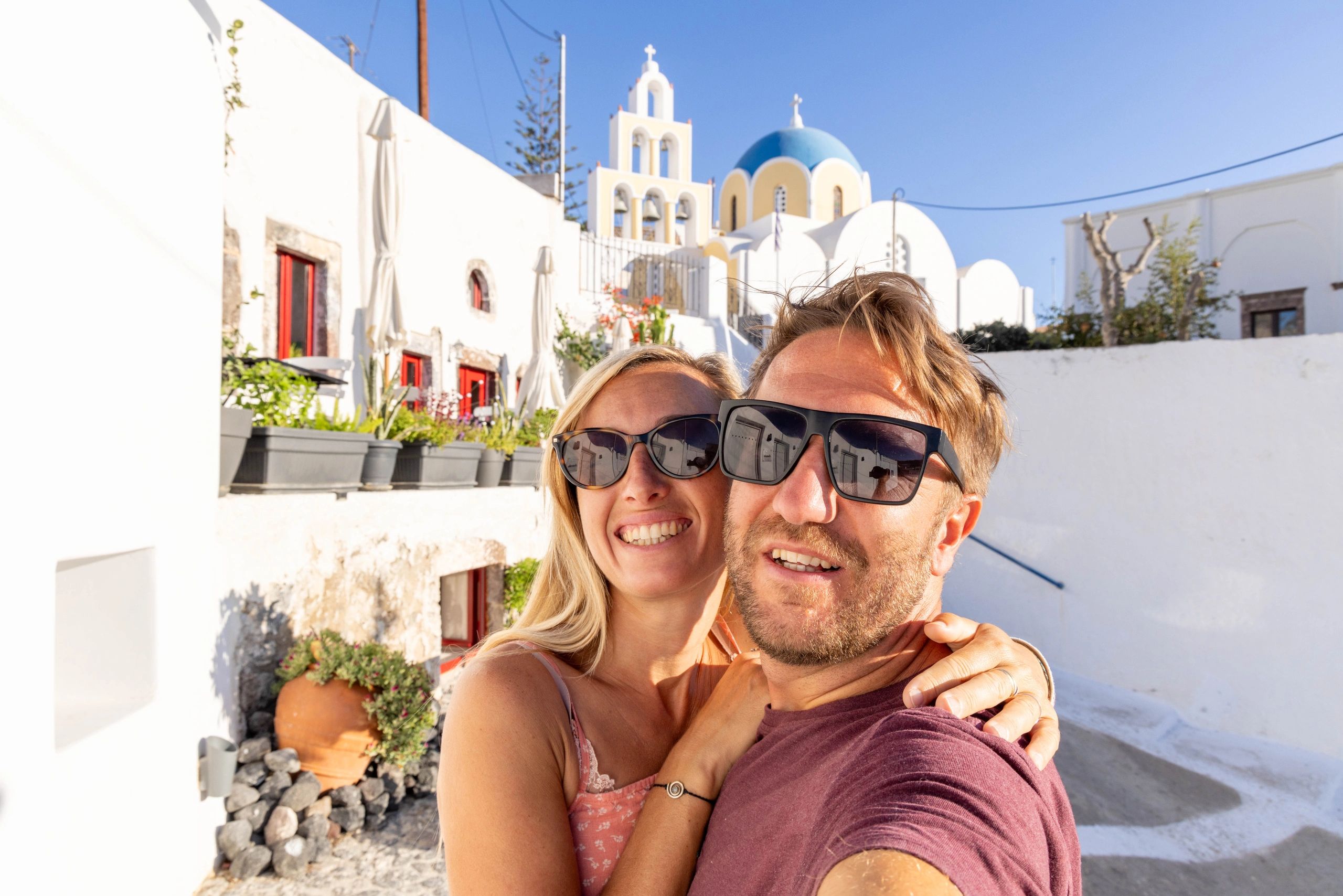
If you want guaranteed sunshine, iconic scenery, and a sense of arrival: Santorini. Yes, it is busy in summer. Yes, the sunsets are as extraordinary as the photographs suggest. For a first visit, the drama of the caldera and the whitewashed villages of Oia and Fira deliver something genuinely unforgettable.
If you want a balance of beaches, villages, and real island life: Paros or Naxos. Both are in the Cyclades, both are beautiful, and both have enough variety to keep you engaged for a week or more. Naxos in particular — with its mountains, ancient marble quarries, and excellent local food — is one of our most recommended first islands.
If you want lush greenery and a slower pace: Kefalonia or Corfu in the Ionian. These are greener, cooler, and less frenetic than the Cyclades. Kefalonia's Myrtos Beach is one of the most beautiful in Europe.
If you want history woven into every corner: Rhodes Old Town, with its medieval walls and Ottoman fountains, or Athens as a base before heading to the islands.
When to Go
Greece is a year-round destination, but the experience varies dramatically by season.
May and June are our top recommendation for first-timers. The weather is warm (25–28°C), the sea is swimmable, and the islands have not yet reached peak capacity. You will find tavernas with space, beaches without crowds, and locals who have time to welcome you properly.
July and August are the hottest and busiest months. Temperatures regularly exceed 35°C on the Cyclades, and popular islands like Santorini and Mykonos can feel overwhelmed. If this is when you can travel, book everything well in advance and consider less-visited islands.
September and October are arguably the best months of all. The sea is at its warmest (from a summer of sunshine), the crowds have thinned, and the light takes on a golden quality that photographers chase for years. October on a Cycladic island is one of life's great pleasures.
The Unwritten Rules of Greek Hospitality
Greek hospitality — philoxenia, literally "love of strangers" — is not a marketing phrase. It is a genuine cultural value, and understanding it will transform your experience.
Accept what is offered. If a taverna owner brings you a complimentary dessert or a small carafe of raki at the end of a meal, accept it graciously. Refusing is considered impolite. This is a gift, not a sales tactic.
Eat late. Greeks eat dinner late — rarely before 9pm, often closer to 10pm. Arriving at a taverna at 7pm, you may find it empty. At 9:30pm, it will be full of locals. Eating when the locals eat is always the better experience.
Dress appropriately for churches and monasteries. Greece takes its Orthodox faith seriously. Shoulders and knees should be covered when visiting religious sites. Many sites provide wraps at the entrance, but bringing your own is respectful.
Learn a few words of Greek. Kalimera (good morning), efharisto (thank you), and yamas (cheers) will earn you genuine warmth wherever you go. Greeks are deeply proud of their language and culture, and any effort to engage with it is appreciated.
What to Eat (and Where to Find It)
Greek food is one of the great Mediterranean cuisines, and it is at its best when it is simple and local.
Seek out the family-run taverna. The best food in Greece is rarely in the restaurants with the laminated menus and the touts outside. Look for the place with handwritten specials, a few tables under a vine, and a grandmother visible in the kitchen.
Order the daily specials. Greek tavernas cook what is fresh and seasonal. The mageirefta — slow-cooked dishes prepared that morning — are often the best things on the menu. Ask what is good today.
Eat your way through the mezedes. Greek starters — taramosalata, tzatziki, dolmades, saganaki, gigantes — are a meal in themselves. Order several and share them. This is how Greeks eat.
Try the local wine. Every island has its own wine culture. Santorini's Assyrtiko is world-class. Paros produces excellent reds. Crete has a serious wine industry. Ask for the house wine — it is usually local, usually good, and always affordable.
Practical Things Nobody Tells You
Cash is still king in many places. While larger restaurants and hotels accept cards, smaller tavernas, beach bars, and market stalls often prefer cash. Always carry some euros.
The midday heat is real. In July and August, the hours between noon and 4pm are genuinely hot. Plan your beach time for the morning and late afternoon. Use the middle of the day for a long lunch, a siesta, or exploring shaded villages.
Hire a car on larger islands. On islands like Crete, Kefalonia, or Naxos, a hire car unlocks a completely different experience. The best beaches, the mountain villages, the hidden monasteries — they are all accessible only by road.
Ferries run on Greek time. Scheduled departures are approximate. Build buffer time into any journey that connects to a flight.
The tap water is drinkable on most islands (though not all). Ask your accommodation. Carrying a reusable bottle is both practical and environmentally responsible.
How to Make It Truly Bespoke
The difference between a good Greek holiday and an exceptional one often comes down to the details: the villa with the private pool that looks out over the caldera, the table at the taverna that only locals know about, the private boat trip to the sea cave that no tour bus reaches.
These things are possible. They just require someone who knows where to look.
At Greeko, we have spent 25 years building the relationships and the knowledge to make your first visit to Greece feel like the holiday of a lifetime. Tell us what you are looking for, and we will design something around you.
Explore Topics
Written by
The Greeko Team
Greeko has been crafting bespoke Greek holidays for over 25 years. Every article is written from genuine first-hand knowledge of the islands, the culture, and the experiences that make Greece extraordinary.