The Ultimate Guide to Greek Island Hopping
How to plan a seamless multi-island journey through the Aegean — from choosing your route to timing your ferries like a local.
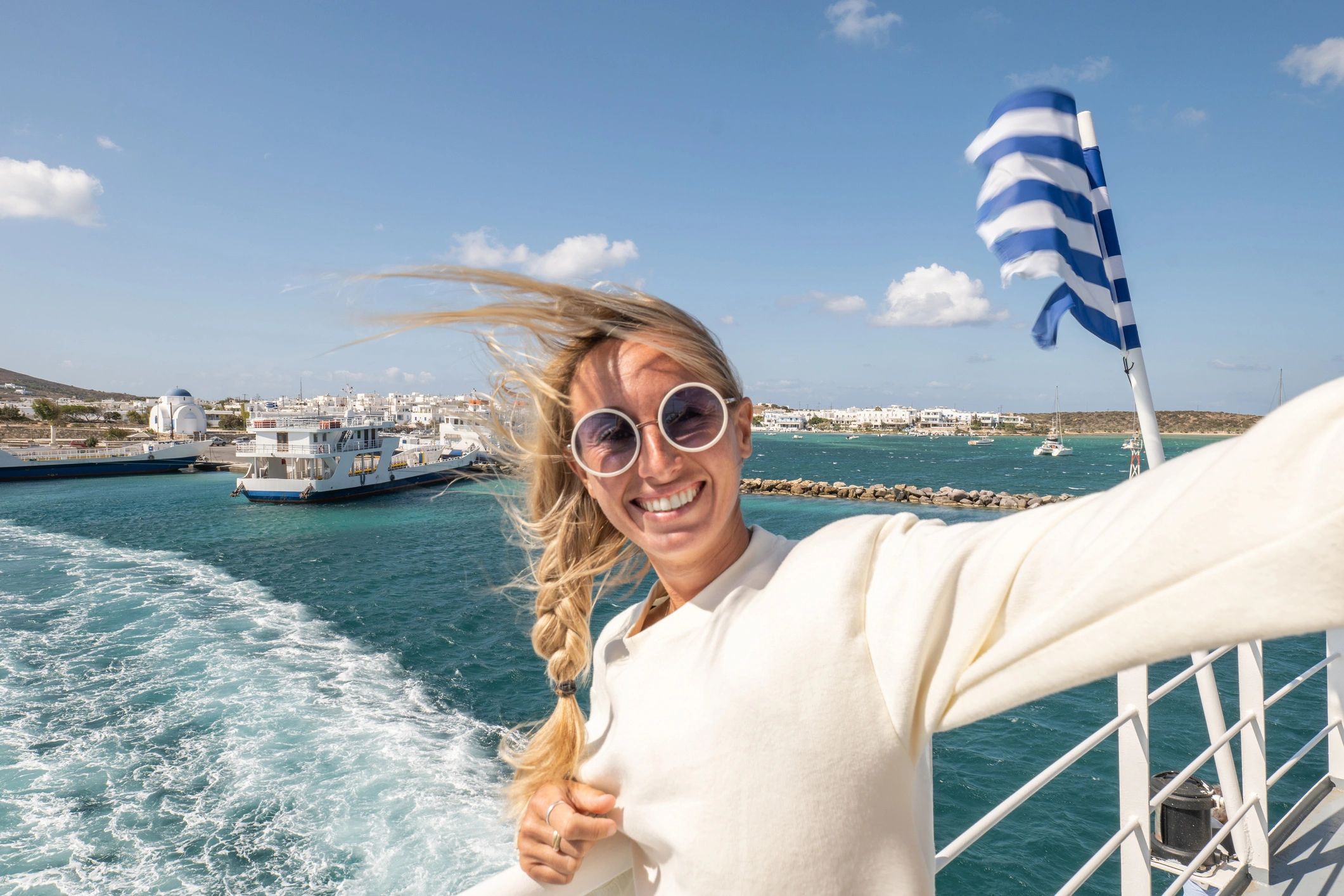
There is a particular kind of freedom that comes with stepping off a ferry onto a new Greek island. The salt air, the unfamiliar harbour, the sense that you have arrived somewhere that rewards the curious. Greek island hopping is one of the world's great travel experiences — but done badly, it can feel like a blur of ports and luggage. Done well, it becomes the holiday you talk about for the rest of your life.
After 25 years of crafting bespoke Greek holidays, we have learned what separates a memorable island-hopping journey from an exhausting one. This guide shares everything we know.
How Many Islands Should You Visit?
The most common mistake first-time island hoppers make is trying to visit too many islands in too short a time. Two nights on an island is rarely enough to feel it. Three nights is the minimum for a meaningful experience. Five to seven nights on your favourite island is not excessive — it is wise.
As a rule of thumb:
- One week: Two islands maximum. Spend four nights on one, three on the other.
- Two weeks: Three islands comfortably, or two islands with a day trip to a third.
- Three weeks: Four islands, with enough time on each to feel genuinely settled.
Resist the temptation to tick boxes. Greece rewards those who slow down.
Choosing Your Route
The Aegean is vast, and the ferry network connects hundreds of islands — but not all of them to each other. Your route should follow the natural geography of the island groups rather than jumping between them.
The Cyclades: Greece's Classic Circuit
The Cyclades are the most connected island group, with frequent ferries linking the major islands. A classic route runs: Athens (Piraeus) → Paros → Naxos → Santorini, with optional detours to Milos, Folegandros, or the Small Cyclades.
This route works beautifully because each island has a distinct character. Paros is relaxed and versatile. Naxos is the largest and most self-sufficient, with mountains, villages, and beaches that reward exploration. Santorini is the dramatic finale.
The Dodecanese: History and Hidden Gems
The Dodecanese chain runs down the Turkish coast and offers a completely different flavour — Byzantine monasteries, Crusader castles, and some of the most unspoiled islands in Greece. A natural route connects Rhodes → Symi → Tilos → Nisyros → Kos, though Patmos and Kastellorizo are worth the detour for those with time.
The Ionian Islands: Lush and Unhurried
The Ionian islands — Corfu, Kefalonia, Lefkada, Ithaca, Paxos — are greener, cooler, and less connected by ferry than the Cyclades. They suit travellers who prefer a hire car and a slower pace over ferry-hopping.
Understanding the Ferry System
Greek ferries fall into two broad categories: high-speed catamarans and conventional (slow) ferries. Both have their place.
High-speed ferries are faster and more comfortable in rough seas, but they are also more expensive and more likely to be cancelled in strong winds. Conventional ferries are slower but often more atmospheric — there is something deeply satisfying about sitting on the deck of a big blue-and-white ferry as the islands drift past.
Book in advance for July and August. The peak summer ferries fill up quickly, and the last thing you want is to be stranded on Santorini because every boat to Paros is full. We always secure ferry tickets as part of our bespoke itinerary planning.
Allow buffer time at either end of a ferry journey. Greek ferries run on Greek time. A scheduled 14:30 departure might leave at 14:50. Build this into your plans, especially if you have a flight to catch.
The Best Island Combinations
Not all island pairings work equally well. Here are our tried-and-tested combinations:
Paros + Naxos: The perfect duo for first-timers. Close together, easy ferries, completely different characters. Paros for the village life and beaches; Naxos for the mountains and the sense of a real, working island.
Santorini + Folegandros: Santorini is extraordinary but crowded. Folegandros, just an hour away by fast ferry, is its antidote — clifftop villages, no cars in the chora, and a quietude that feels almost miraculous.
Symi + Rhodes: Rhodes has the history and the infrastructure; Symi has the beauty and the calm. Spend a few nights on each and you get the best of the Dodecanese.
Milos + Kimolos: Milos is one of Greece's most visually dramatic islands. Kimolos, a 15-minute ferry ride away, is almost entirely undiscovered. The contrast is extraordinary.
Skiathos + Skopelos: The Sporades are underrated. Skiathos has the beaches; Skopelos has the forests and the film-set villages (yes, that Mamma Mia village is real).
When to Go
May and early June are our favourite months for island hopping. The sea is warm enough to swim, the crowds have not yet arrived, and the light is extraordinary. Wildflowers still carpet the hillsides. Tavernas are open but not overwhelmed.
September and October offer similar advantages, with the added bonus of warmer sea temperatures from a summer of sunshine. October on the Cyclades can feel almost magical — golden light, empty beaches, locals who have time to talk.
July and August are peak season for a reason: the weather is reliably hot and dry, and the islands are at their most vibrant. But book everything well in advance, and be prepared for crowds on the most popular islands.
Packing for Island Hopping
Travelling between islands means moving your luggage regularly. A soft-sided bag or a medium-sized wheeled case is far more practical than a large suitcase. You will be grateful for this every time you navigate a cobbled path or a steep gangway.
Essentials: reef-safe sunscreen, a light linen layer for evenings, comfortable walking shoes (cobblestones are unforgiving), a reusable water bottle, and a small day bag for beach excursions.
Let Us Plan It For You
Island hopping sounds simple in theory. In practice, the logistics — ferry timings, accommodation availability, the right sequence of islands — can take weeks to research and still leave gaps. We have spent 25 years building the relationships and the knowledge to make it seamless.
Every Greeko island-hopping itinerary is built around you: your pace, your interests, your idea of the perfect day. Whether you want to cover four islands in two weeks or spend a fortnight on two, we will design something that fits.
Start planning your island-hopping journey today.
Explore Topics
Written by
The Greeko Team
Greeko has been crafting bespoke Greek holidays for over 25 years. Every article is written from genuine first-hand knowledge of the islands, the culture, and the experiences that make Greece extraordinary.