Santorini Beyond the Obvious: What Most Visitors Miss
Santorini is extraordinary — but the version most visitors see is only the beginning. Here is how to experience the island at its deepest and most rewarding.
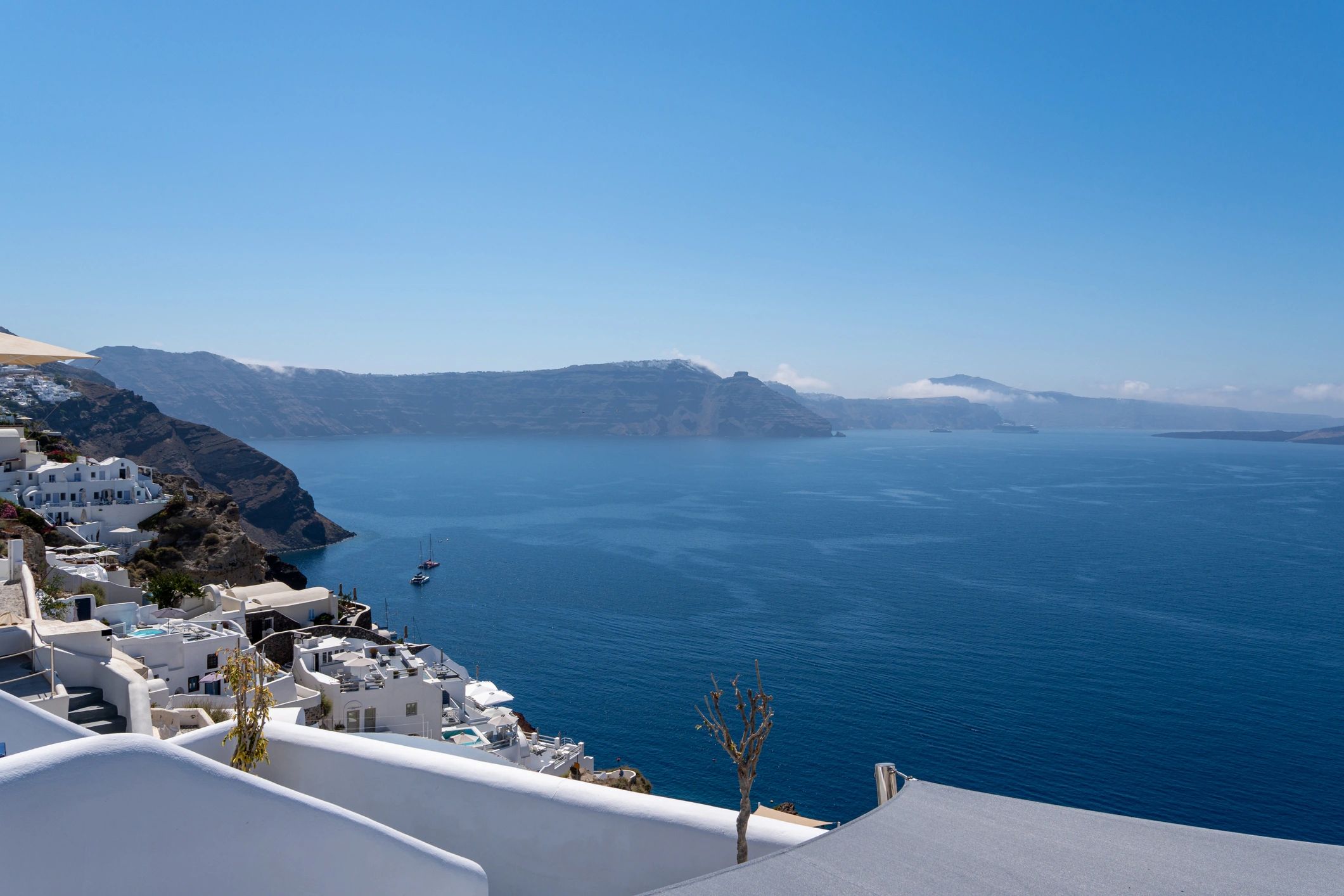
Santorini is one of the most photographed places on earth, and for good reason. The caldera views, the blue-domed churches, the sunsets from Oia — these things are as extraordinary as the photographs suggest. But if you have been to Santorini and felt that you only scratched the surface, you are right. The island has depths that most visitors never reach.
After 25 years of sending people to Santorini, here is what we know about experiencing it properly.
The Villages Nobody Talks About
Oia and Fira are magnificent, but they are also, in July and August, genuinely crowded. The island has eleven villages, and most of them are almost entirely free of tourists.
Pyrgos sits at the highest point of the island, its medieval castle ruins offering 360-degree views that rival anything in Oia — without the crowds. The village has a handful of excellent restaurants and a quietude that feels almost miraculous given its proximity to the tourist trail.
Megalochori is a traditional Cycladic village with a beautiful central square, a Byzantine church, and a wine culture that predates the tourist industry by centuries. The village is home to several of the island's best wineries.
Akrotiri village (not to be confused with the archaeological site) is one of the oldest settlements on the island, with a Venetian castle and a network of narrow lanes that reward aimless wandering.
Emporio is the largest of the traditional villages, with a labyrinthine medieval centre designed to confuse pirates. Getting lost in it is the point.
The Wine
Santorini produces some of the most distinctive wines in the world, and the story behind them is extraordinary.
The island's vines are among the oldest in Europe — some are believed to be over 200 years old, survivors of the phylloxera epidemic that devastated European viticulture in the 19th century because the volcanic soil was inhospitable to the louse. The vines are trained into low basket shapes (kouloura) to protect the grapes from the fierce Aegean winds.
The result is Assyrtiko: a white wine of extraordinary minerality, high acidity, and a flavour profile unlike anything produced elsewhere. It is the perfect wine for the island's food — grilled fish, fava (yellow split pea purée), tomatokeftedes (tomato fritters).
The best wineries for visitors include Santo Wines (spectacular caldera views), Domaine Sigalas (one of the island's most respected producers), and Estate Argyros (the oldest family winery on the island). Book a tasting in advance.
The Archaeological Site of Akrotiri
Akrotiri is one of the most important archaeological sites in the Mediterranean, and it is consistently underrated by visitors who come to Santorini for the views rather than the history.
The site preserves a Bronze Age city buried by the volcanic eruption of around 1600 BC — the same eruption that may have inspired the legend of Atlantis. The buildings are extraordinarily well-preserved: multi-storey houses with intact frescoes, sophisticated drainage systems, and evidence of a highly developed civilisation.
Visit early in the morning, before the tour groups arrive, and hire a private guide. The site deserves two hours of unhurried attention.
The Beaches
Santorini's beaches are unlike any others in Greece — black and red volcanic sand, dramatic cliffs, a geological drama that is entirely its own.
Perissa and Perivolos are the main black sand beaches, long and well-organised, with good beach bars and restaurants. They are busy in summer but manageable if you arrive early.
Vlychada is quieter and more dramatic — white pumice cliffs sculpted by wind and water into extraordinary formations. The beach is less developed and more beautiful.
Red Beach (near Akrotiri) is one of the most visually striking beaches in Greece — red volcanic cliffs rising directly from the dark sand. It is small and gets crowded, but the 15-minute walk from the car park thins the numbers considerably.
Ammoudi Bay, below Oia, is not a beach but a tiny fishing harbour where you can swim from the rocks and eat the freshest fish on the island. The octopus drying on the line outside the taverna is not a prop — it will be on your plate tonight.
The Caldera at Dawn
The Oia sunset is famous for a reason, but the caldera at dawn is something else entirely. The light is softer, the colours more complex, and — crucially — you will have it almost to yourself.
If you are staying in a caldera-view property, set your alarm for 5:30am at least once. Sit on your terrace with a coffee and watch the light change. This is Santorini at its most honest.
How to Stay Above the Crowds
The key to a great Santorini experience is choosing the right accommodation in the right location.
Cave hotels in Oia or Imerovigli put you on the caldera rim with private terraces and extraordinary views. They are expensive, but the experience of waking up above the caldera is worth it.
A private villa in one of the traditional villages gives you space, privacy, and a genuine connection to local life. We have access to exceptional properties in Pyrgos, Megalochori, and Emporio that most visitors never discover.
Avoid the main hotel strips in Fira unless you specifically want to be in the heart of the action. The noise and the crowds can overwhelm the magic.
Santorini rewards those who look beyond the obvious. Let us show you the island we know.
Explore Topics
Written by
The Greeko Team
Greeko has been crafting bespoke Greek holidays for over 25 years. Every article is written from genuine first-hand knowledge of the islands, the culture, and the experiences that make Greece extraordinary.