
Lesbos is the third-largest Greek island, and one of the most varied. It is a place of extraordinary contrasts: lush, green olive groves in the south and west; a dramatic, almost lunar volcanic landscape in the centre; traditional villages that have barely changed in a century; and a capital, Mytilene, that has the energy and culture of a small city.
The Island
Lesbos — also known as Mytilini — covers around 1,633 square kilometres, making it one of the largest islands in the Aegean. The landscape is dominated by two large bays that almost cut the island in two, and by the vast olive groves that cover much of the southern half. The island has a permanent population of around 85,000 people.
Sights and Attractions
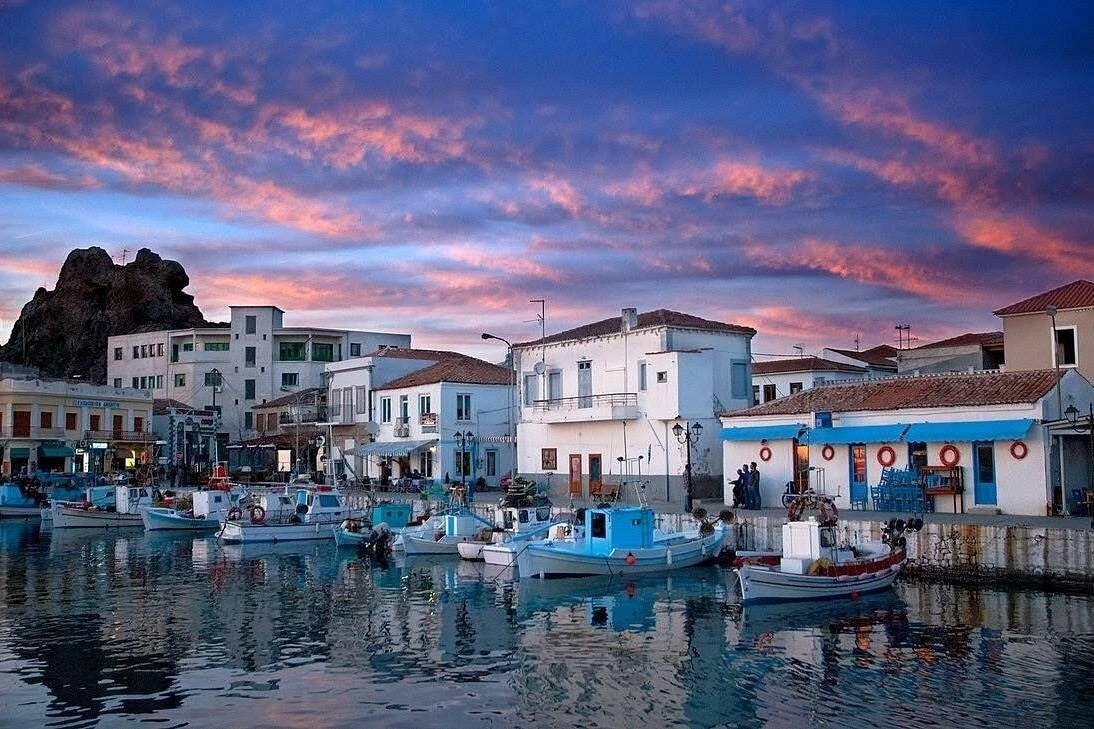
Mytilene (the capital) is one of the most interesting towns in the Aegean — a proper city with a magnificent castle, a beautiful waterfront, excellent restaurants and a cultural life that reflects the island's long intellectual tradition. The Archaeological Museum is one of the best in the North Aegean.
The Petrified Forest near Sigri on the west coast is one of the most remarkable natural phenomena in Greece — a UNESCO Global Geopark containing fossilised trees up to 20 million years old. The Natural History Museum of the Lesvos Petrified Forest in Sigri is excellent.
Molyvos (also called Mithymna) on the north coast is one of the most beautiful villages in Greece — a medieval castle town of stone houses cascading down to a harbour, with views across to Turkey. Skala Eresou on the west coast is a relaxed beach village, famous as the birthplace of the poet Sappho.
The Monastery of Taxiarchis near Mantamados is one of the most important religious sites in the North Aegean, housing a remarkable icon made from the ashes of martyred monks.
Beaches
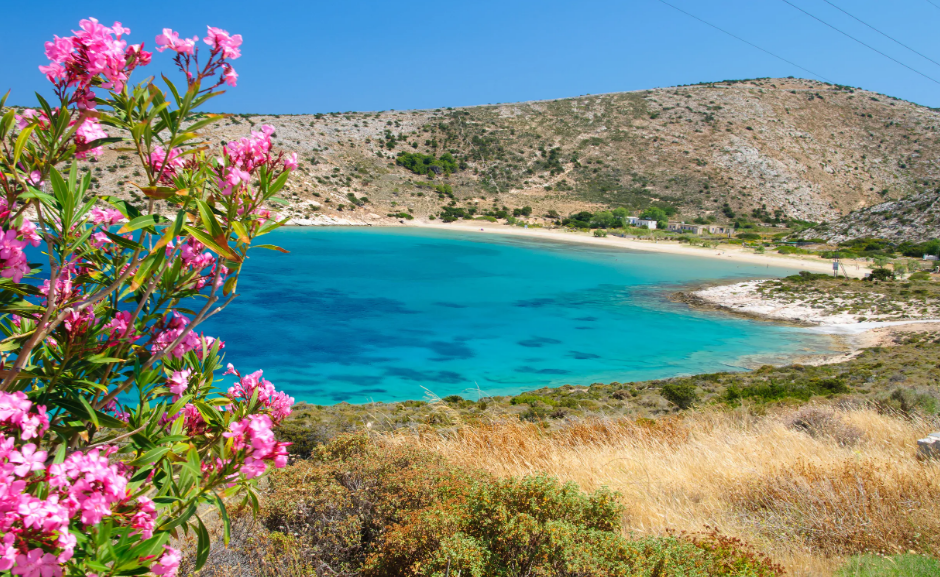
Lesbos has excellent beaches. Vatera on the south coast is one of the longest sandy beaches in Greece — a 7km stretch of sand with clear water. Skala Eresou has a long, pebbly beach with a relaxed atmosphere. Petra near Molyvos is a sandy beach below a dramatic rock.
Eating and Drinking
The food on Lesbos is exceptional — the island is famous for its olive oil (among the finest in Greece), its ouzo (Lesbos produces some of the best in the country), its sardines and its cheese. Eat at the waterfront tavernas in Mytilene for the best fish; visit the traditional kafeneions in the inland villages for a taste of authentic island life.
How to Get There
Lesbos has an airport with daily flights from Athens and seasonal flights from several European cities. By sea, it is served by ferry from Piraeus (around 12 hours) and connects to Chios, Samos and the Turkish coast.
Best For
Lesbos suits curious, independent travellers who want to understand Greece beyond the postcard — those interested in history, food, nature and the living traditions of a large, varied island. It is one of the most rewarding destinations in the North Aegean.
Thinking about Lesbos? Talk to us — we can build it into a North Aegean itinerary alongside Chios and Samos.

Written by
The Greeko Team
Greeko has been crafting bespoke Greek holidays for over 25 years. Every article is written from genuine first-hand knowledge of the islands, the culture, and the experiences that make Greece extraordinary.